
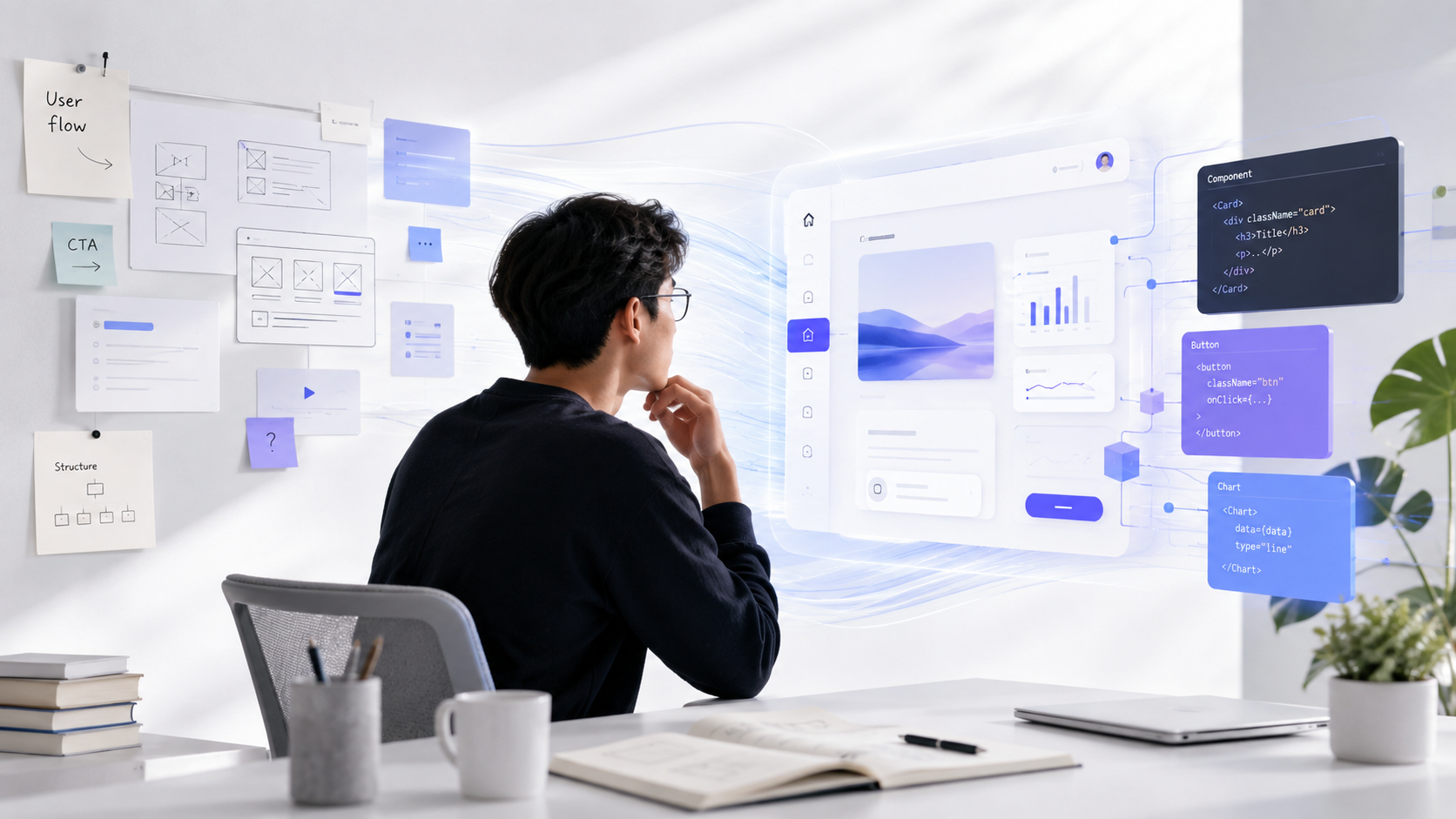
Vibe coding does something very noteworthy: it shortens the gap between "I want this experience to work like this" and "this is a clickable, input-capable, saveable, or responsive prototype." For designers, this is not just about learning to code faster. It changes the type of artifact we can bring into a product discussion.
From static mockups to functional prototypes
A beautiful frame only proves that a layout can exist. A functional prototype allows for further testing: what about long data, is the loading state annoying, where does validation appear, does responsiveness break, and is the next action clear?
Vibe coding helps designers test these questions earlier. This is the biggest benefit: reducing the time between thinking and validation.
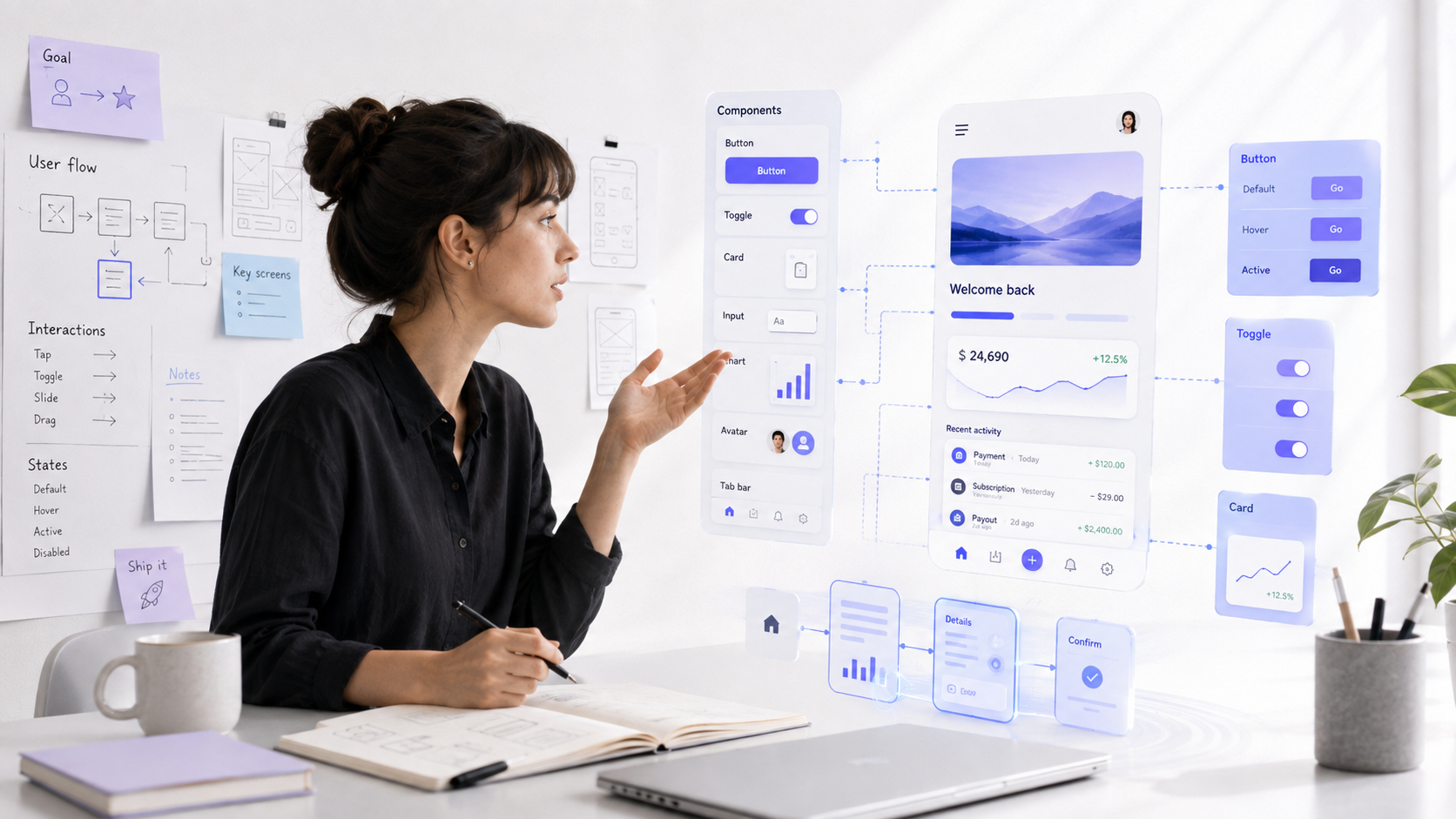
The real vibe coding workflow is more than just prompts
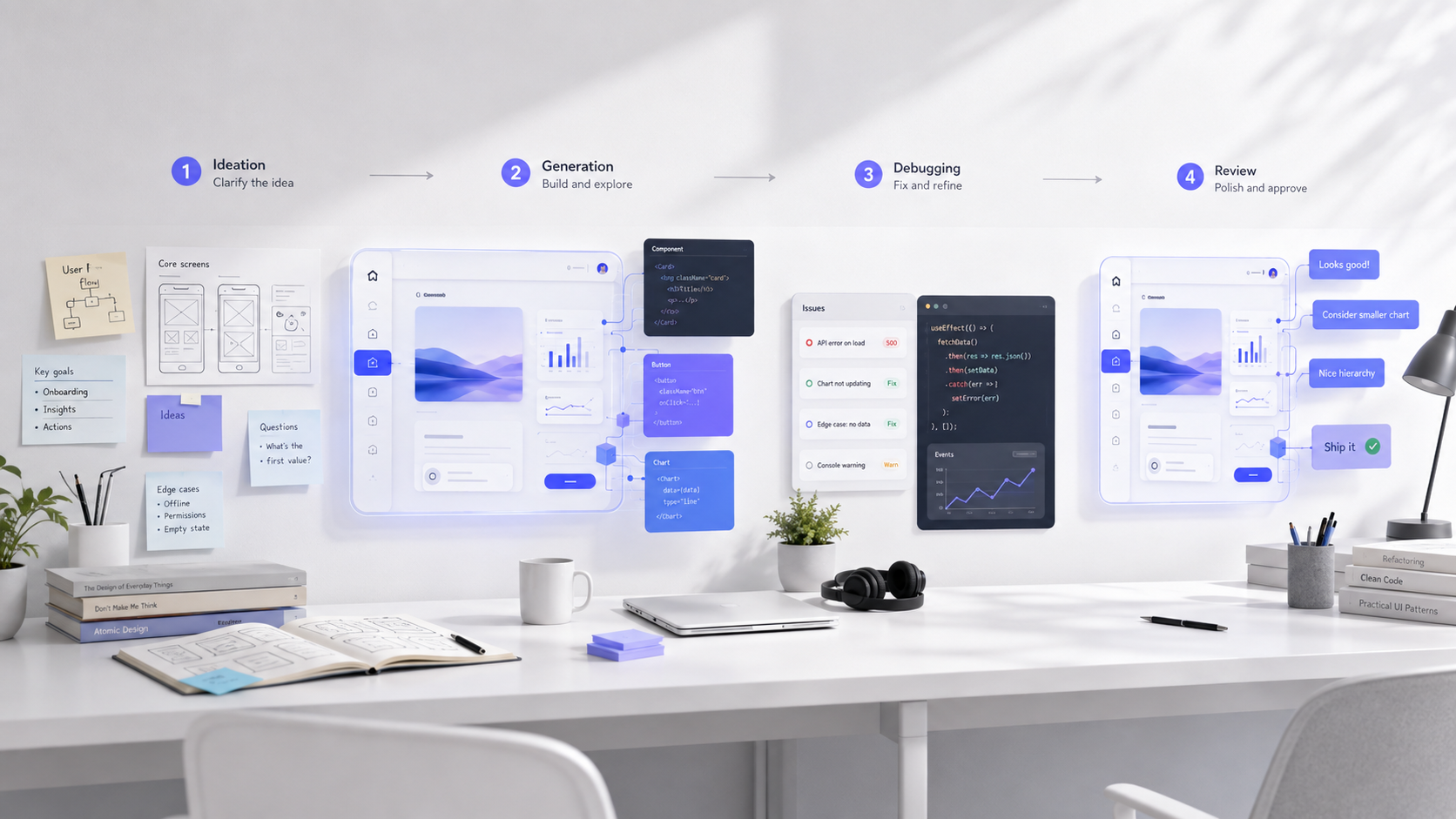
The CHIWORK 2026 study describes a common workflow that includes ideation, generation, debugging, and review. This is important because it breaks the illusion that simply describing once leads to a good product.
Generation can be fast, but debugging and review are still mandatory. For designers, review needs to encompass UX, visual systems, data, accessibility, and logic, not just "it works."
Designers can engage more deeply in the product
When the prototype has real logic, designers can proactively demonstrate a solution instead of relying entirely on handoff descriptions. This makes discussions with developers more specific: the team can look at the existing behavior, state, and trade-offs.
Vibe coding also helps designers understand technical constraints faster. When a flow is difficult to implement, the prototype will reveal issues early rather than at the end of the handoff.
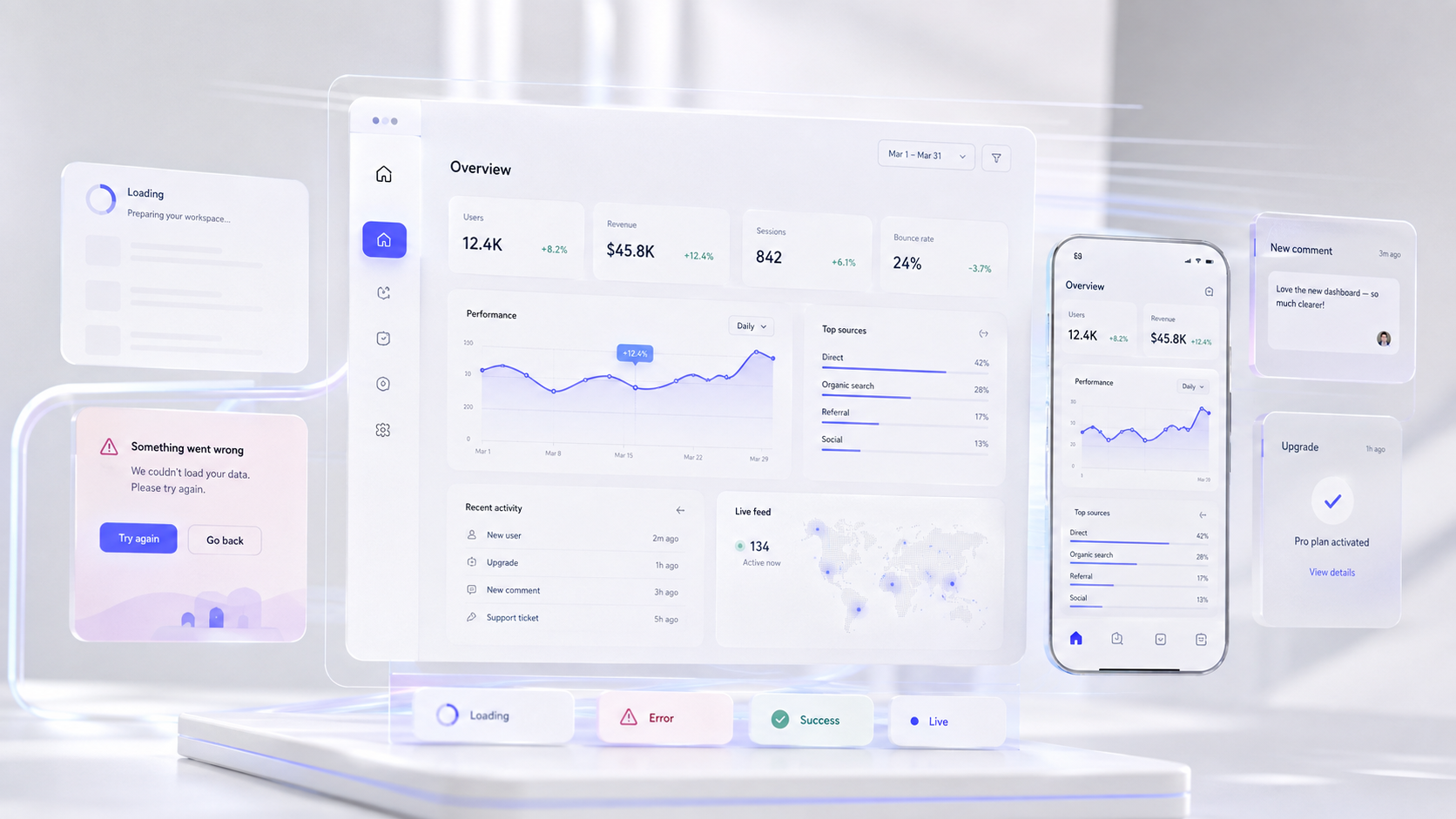
Key point: Don't evaluate a trend or tool solely by its best output. Evaluate it by its impact on flow, control, consistency, and operational capability in real conditions.
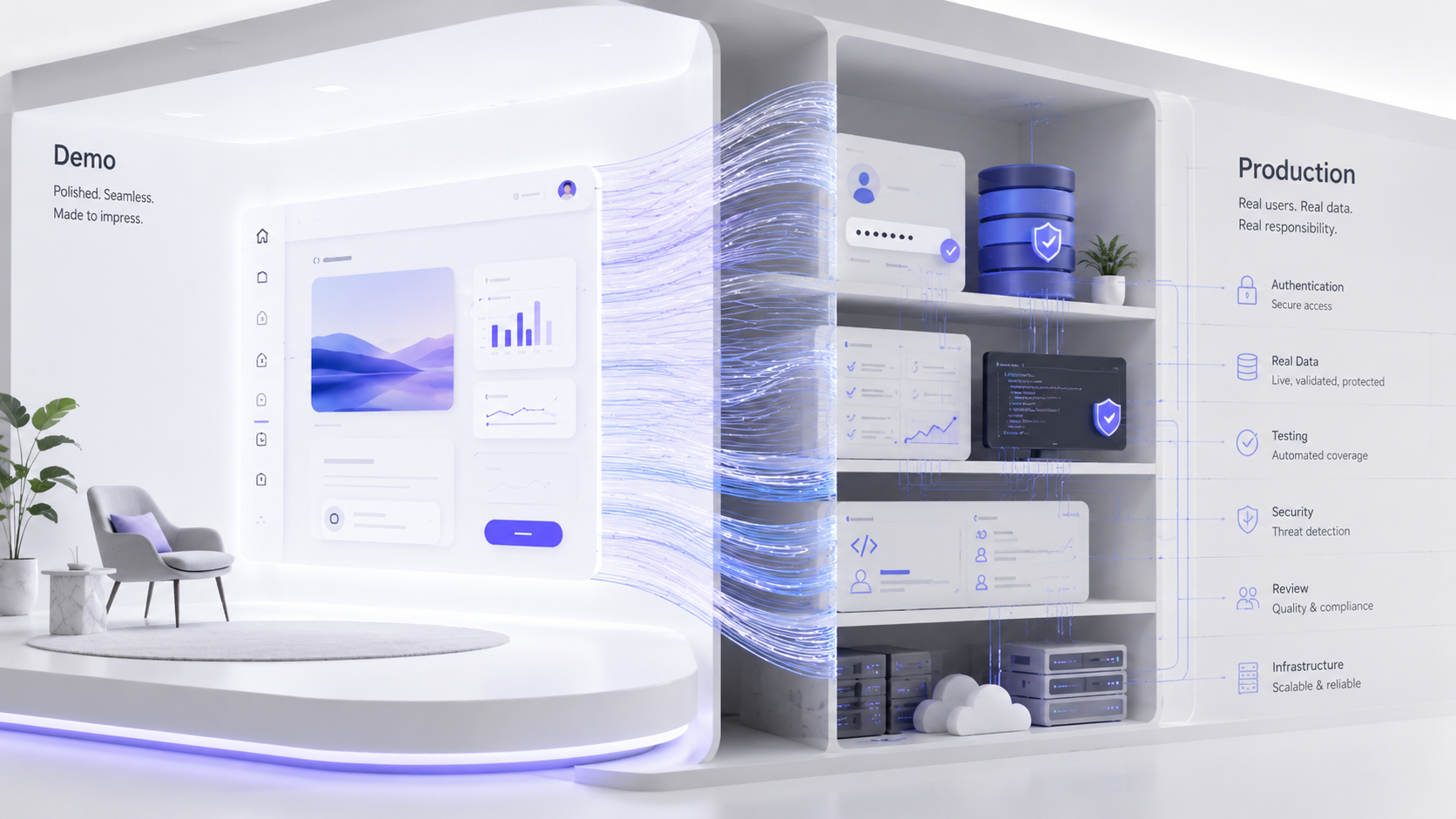
The biggest risk: products look complete before they are truly complete
AI can create smooth UIs and seemingly reasonable code that makes teams easily equate "good demo" with "production-ready." This is a dangerous area. Authentication, permission, data validation, security, observability, and migration cannot be assessed solely by the interface.
A vibe-coded prototype needs to be clearly labeled: concept, functional prototype, or production candidate. Each level has different acceptance criteria.
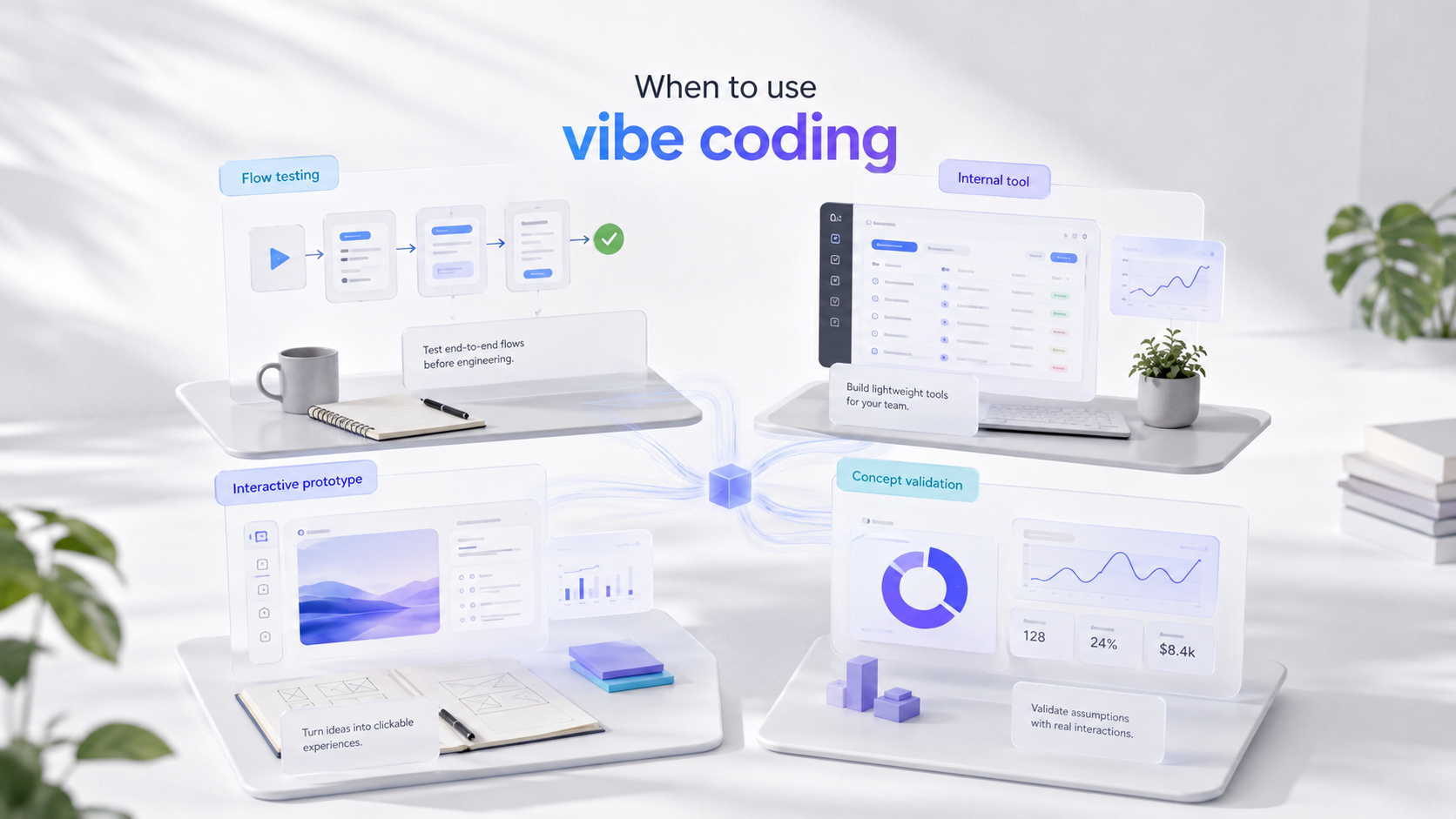
When should designers use vibe coding?
It is particularly useful when needing to validate flows, try a new interaction, build small internal tools, illustrate an AI product, or create prototypes for user testing.
It is less suitable when the main requirements are infrastructure, high security, complex transactions, or systems with many dependencies that the designer cannot review.
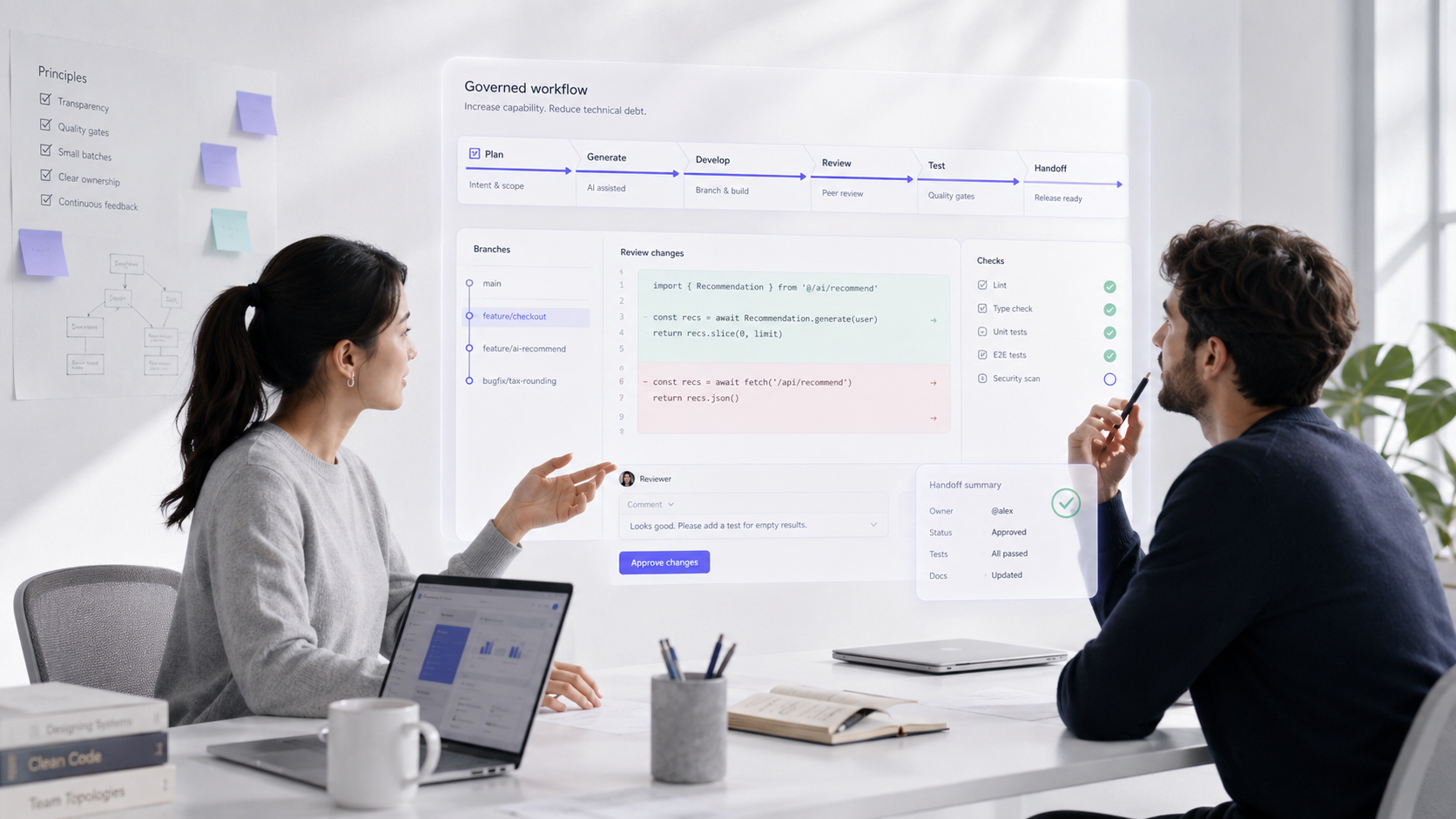
How to use it to enhance capability rather than create technical debt
Start with the brief and acceptance criteria. Keep the source in version control, require AI to explain changes, run tests, check edge cases, and ask engineers to review when the prototype approaches production.
The goal is not to turn designers into developers. The goal is to help designers validate ideas at a higher fidelity and communicate with the team using a more informative artifact.
Conclusion
Vibe coding can significantly change how designers create products because it brings prototypes closer to real behavior. However, the advantage is only sustainable when generation is always accompanied by debugging, review, and a clear boundary between prototypes and production.

0 Comments
Be the first to leave a comment on this post.